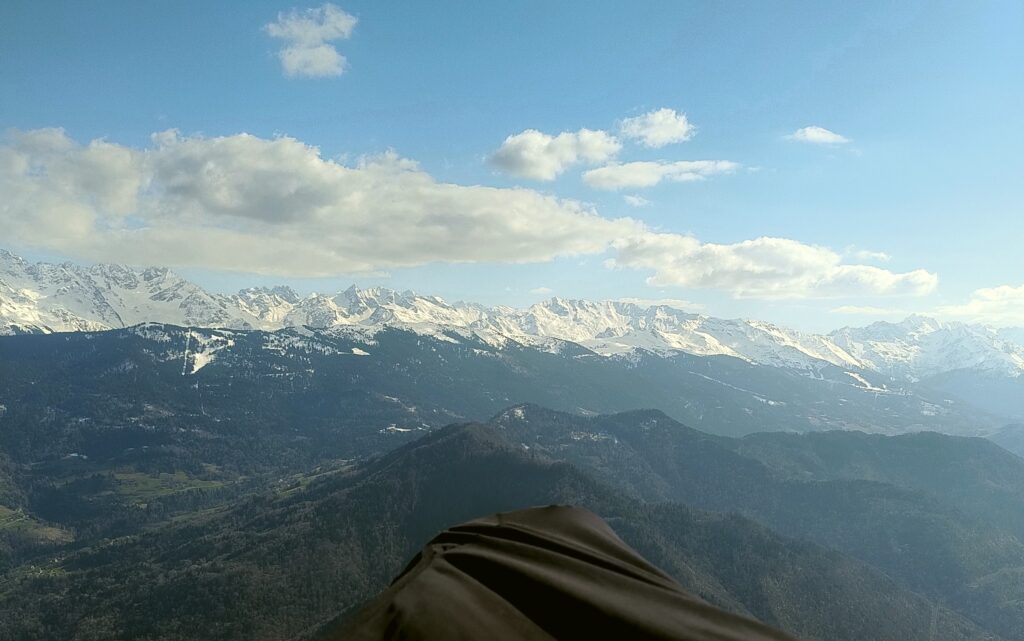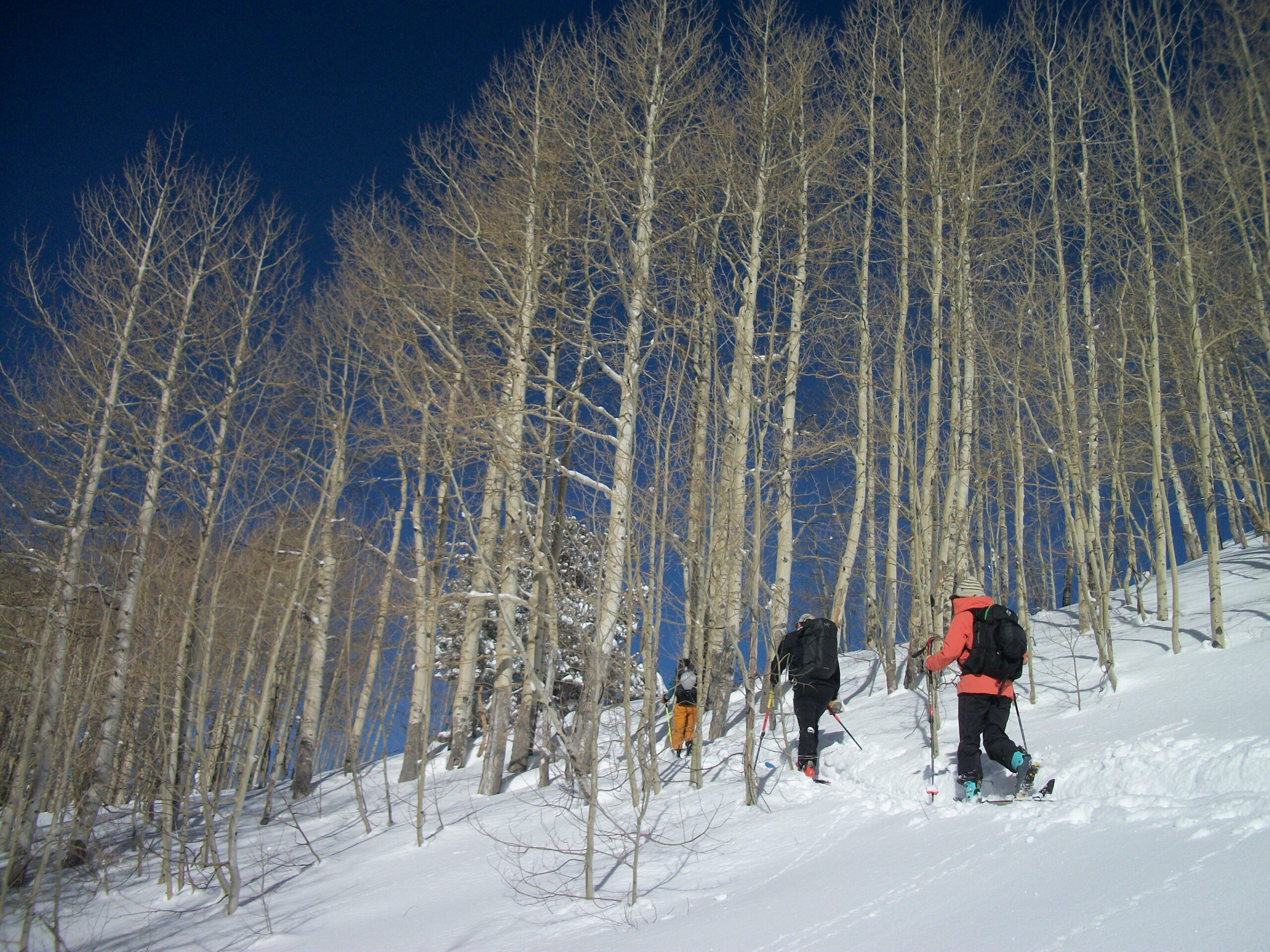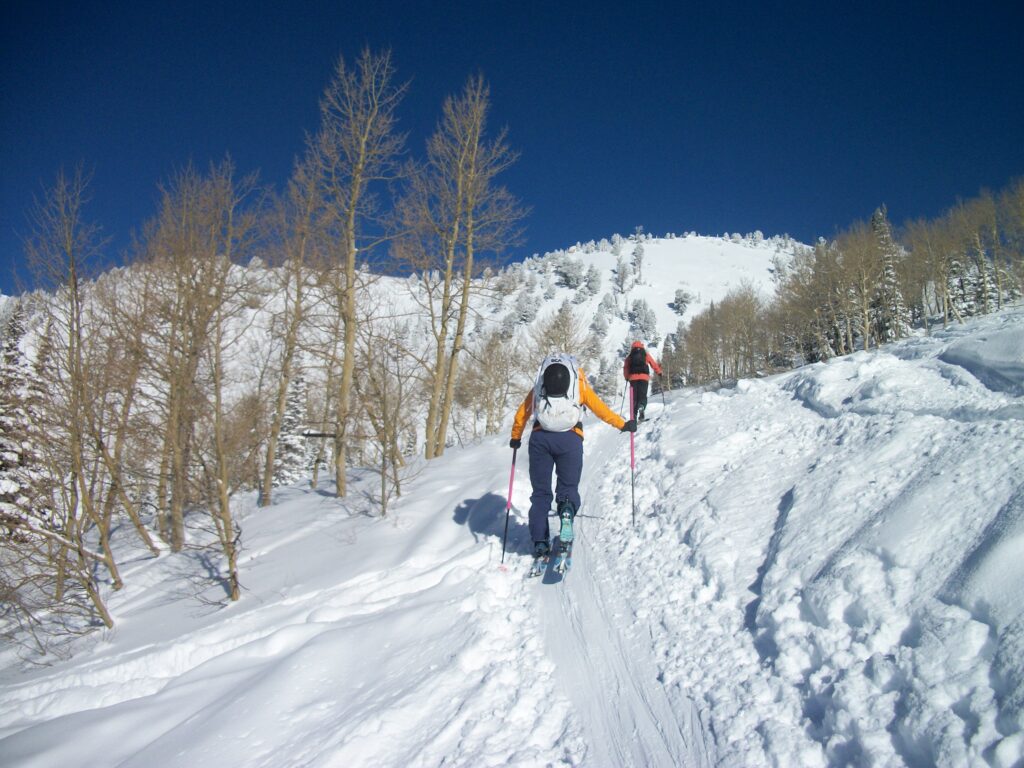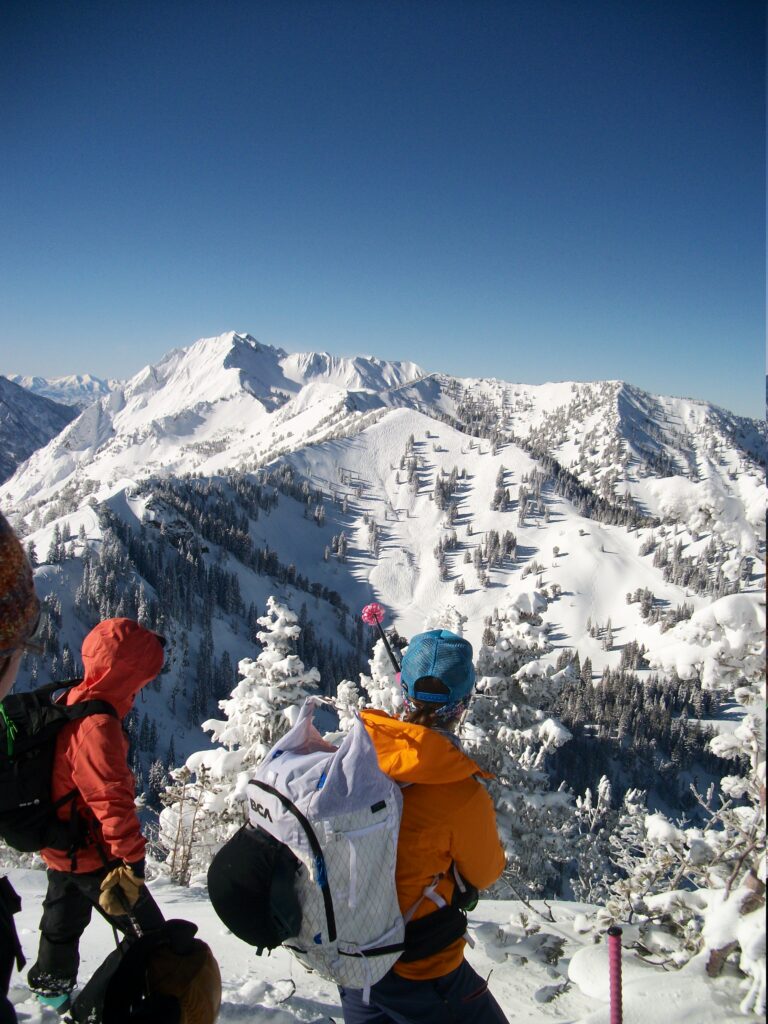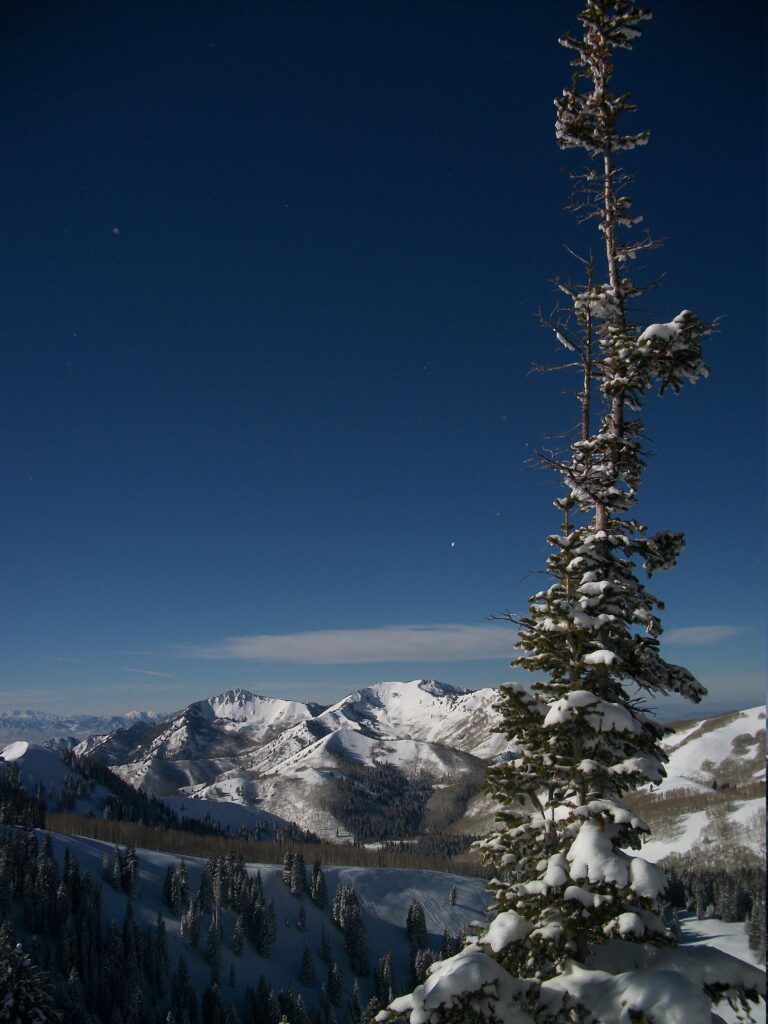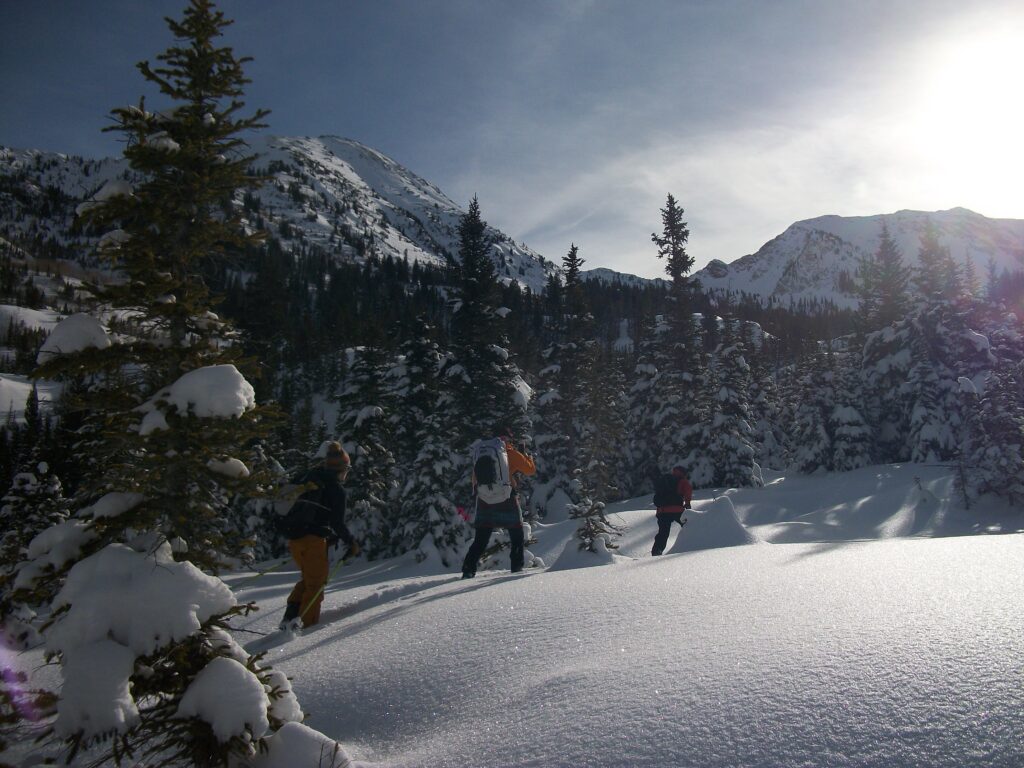
The bus number eighty picks up directly from the gas station on the highway. It’s a quick walk across the foot bridge that parallels the tram bridge. It’s the fastest way to cross the Isère leaving from my house, funny that in our modern society the geographic barriers of rivers still dictate our daily movements.
My backpack waits ready on the main floor. I prepare everything the night before; I do this for many reasons. I don’t trust myself in the morning to think of everything and I try to be quiet slipping out in the morning for my roommates. I have laid out food on the table the night before, and coffee waits on the stove. I double check the conditions. Snacks and water for the day are ready in my backpack. Today, I will need everything prepared and ready, there’s no time to lose to preventable mistakes.
Though, today, I’m not leaving that early.
Today, I’m following the Sun.
The path appears only once the Sun has warmed up the Earth. In that way it’s really the heat of the Sun that I am following.
And on this early March day, the Sun is only beginning to wake up from its Winter slumber. Today, the Sun is asking for patience.
Asking, is hardly the right word. Really the Sun is merely informing us of its plans, and its response pays no attention to my desires for the day.
The bus comes at 9:28 and you must signal for the driver to stop, lest you watch in confidence as it speeds right by you and your timing for the day falls out the window behind it. A bus appears in the oncoming traffic and I see it’s not the right number. I quickly look at the printed bus schedule at the stop and confirm that indeed, as I already knew, that the number eighty comes at 9:28, I confirm it again with the schedule on my phone. The number eighty comes at 9:28, and that’s the number ten. Right now it’s 9:25. The number ten goes by indifferently, the look on the driver’s face tells me it’s too late for him to stop and that I better be right. Three minutes later the number eighty comes by and I stick out my arm confidently.
The bus drops me off at Saint-Nazaire-les-Eymes. My last task is to buy a sandwich for the day. The cashier is happy to see that I’m going hiking. I tell her she’s partly right and inform her of my real plan for the day, she is even more excited. She tells me that she too has done it, but it’s been a while and would like to get back into it again.
I start walking up the road and am quickly picked up by a car. The driver is an astrophysicist and she knows one of my friends that did a PhD in her institute. She tells me that it’s good to take time off after the PhD. I wholeheartedly agree.
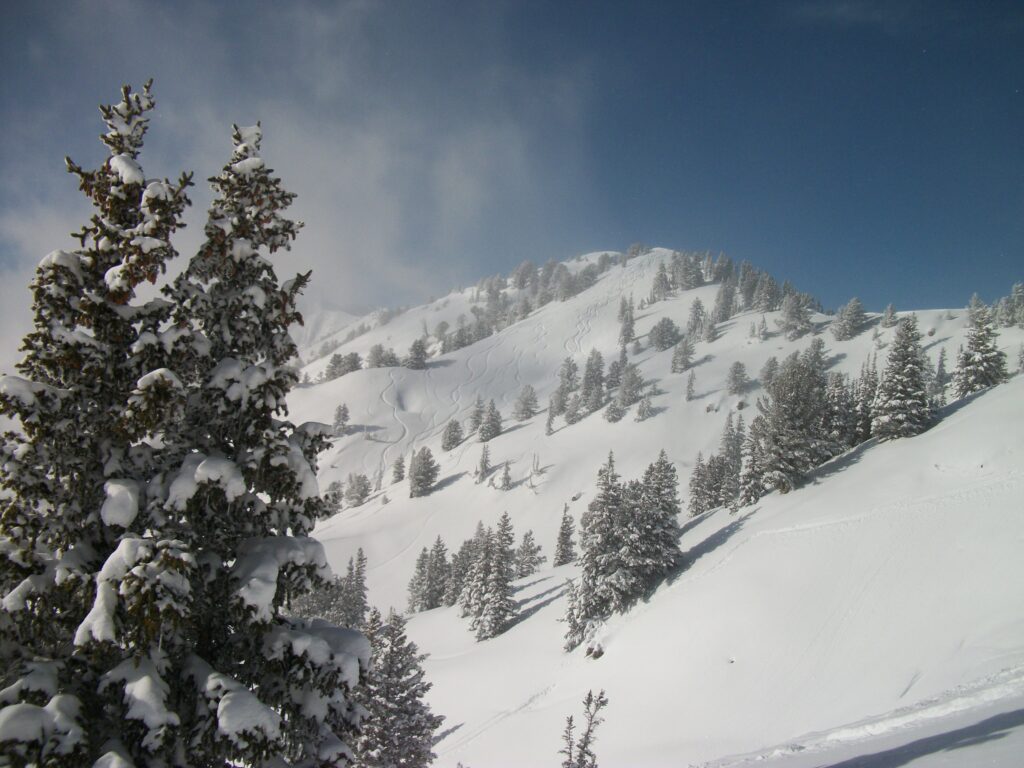
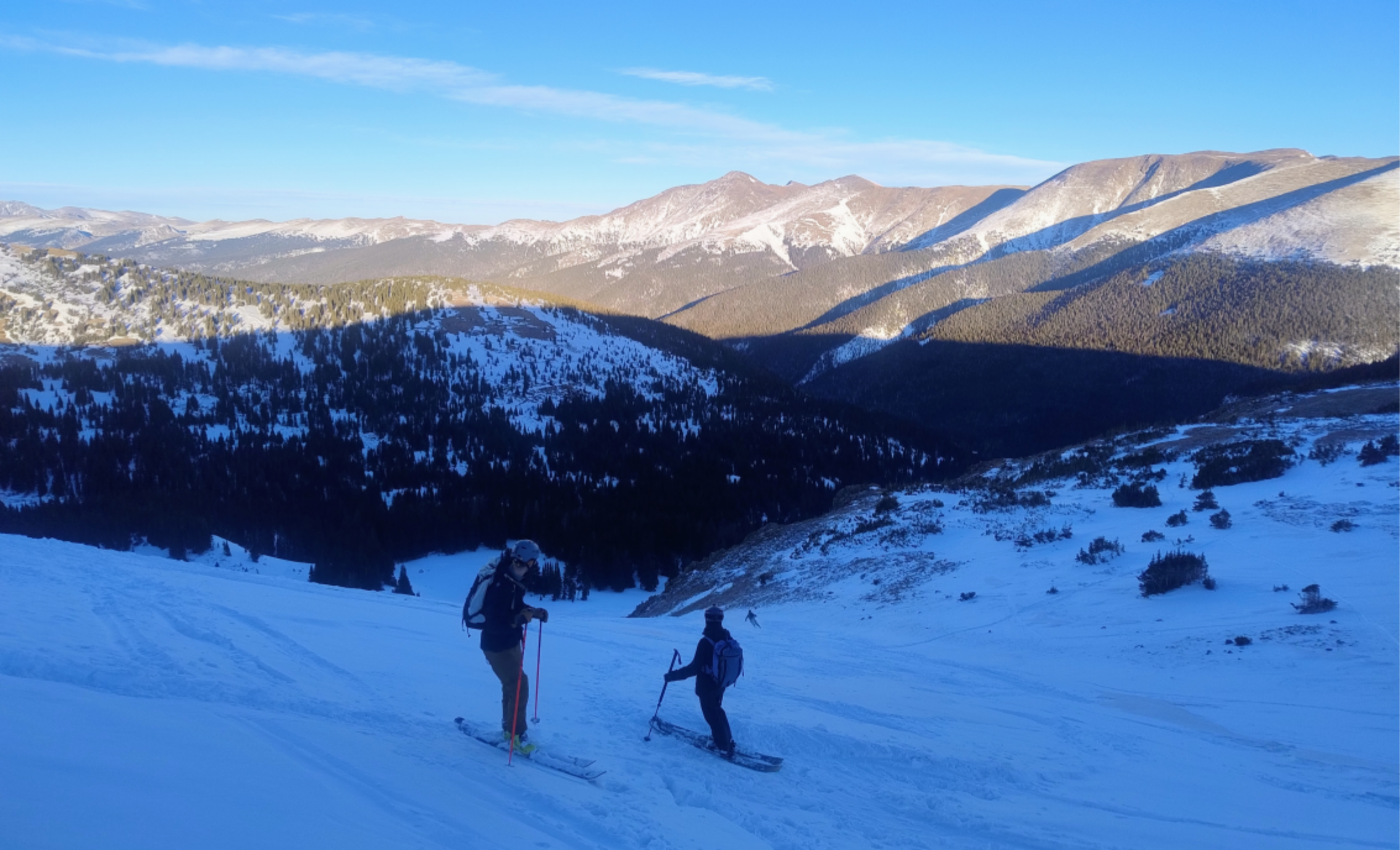
I arrive at 10:30 and it’s relatively empty. The Sun is still setting the course for the day. A group of visiting practitioners from Perpignan see that the start gates are set. They have an anticipative energy and ask me why no one else is here. I tell them that the course is probably not ready yet and more people will come. But, they don’t have time to wait. They see the day they envisioned before their eyes, but not the day that is. They set off and quickly find themselves at their own finish line.
I sit down and enjoy the spot to myself, a rare occurrence for this holy site. I pull out my book and sandwich as the Sun carries on with its plan.
In the next hour more and more players trickle in. I’ve spent the time setting up. Everything is checked and checked again. Lines are laced, zippers zipped, compartments checked, and I sit. I joke with my friend Julien by text that there must be a shuttle from the retirement home to the match today, as I violently place an outlier in the age distribution to the chagrin of gaussian statisticians.
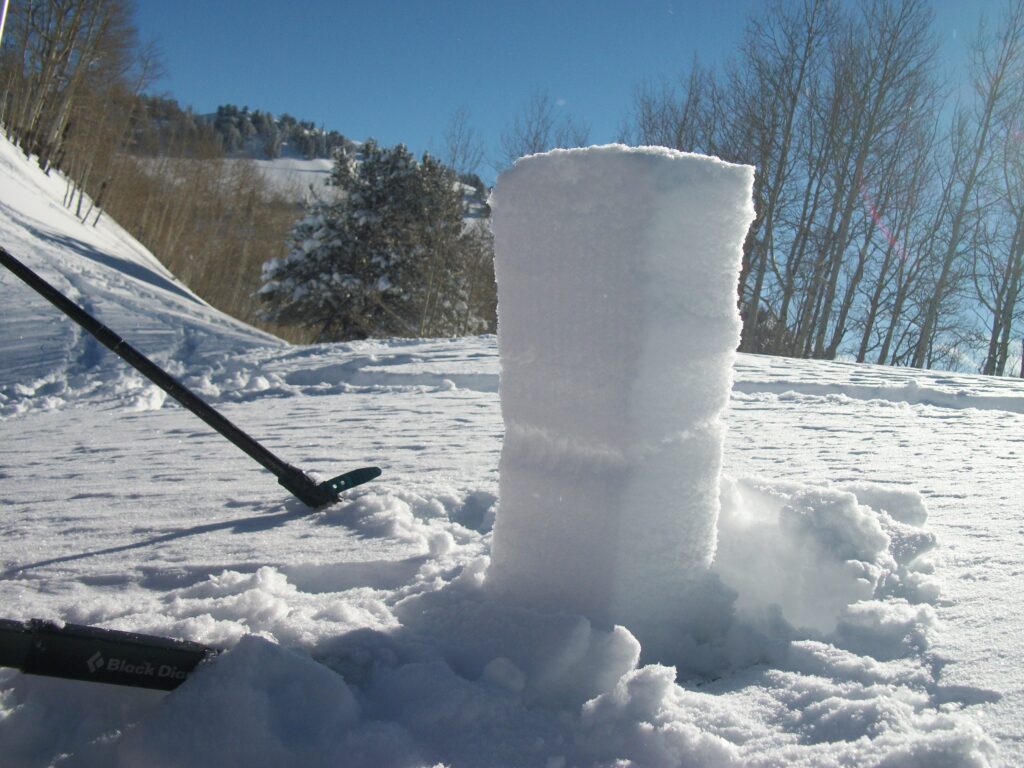
Julien, Pierre and I spent the previous night at the bar haggling over the conditions. They said, correctly, that there was no need to be there before noon. I prefer to get there early. I spend the time double checking my equipment and the conditions. I look online to see how other players are doing. It seems like today will be a battle. It’s an odd game we play, we don’t know when or where it will start. The score? Well, it’s made up. There have been attempts to establish a universal scoring system, and there is one system that has caught on. It features online rankings and scores of the day. Players are separated into categories based on their choice of equipment.
I see the course is almost set as some experienced players start. I double check my equipment. The Sun tells us that the course is as good as it is going to get. I set up for good now.
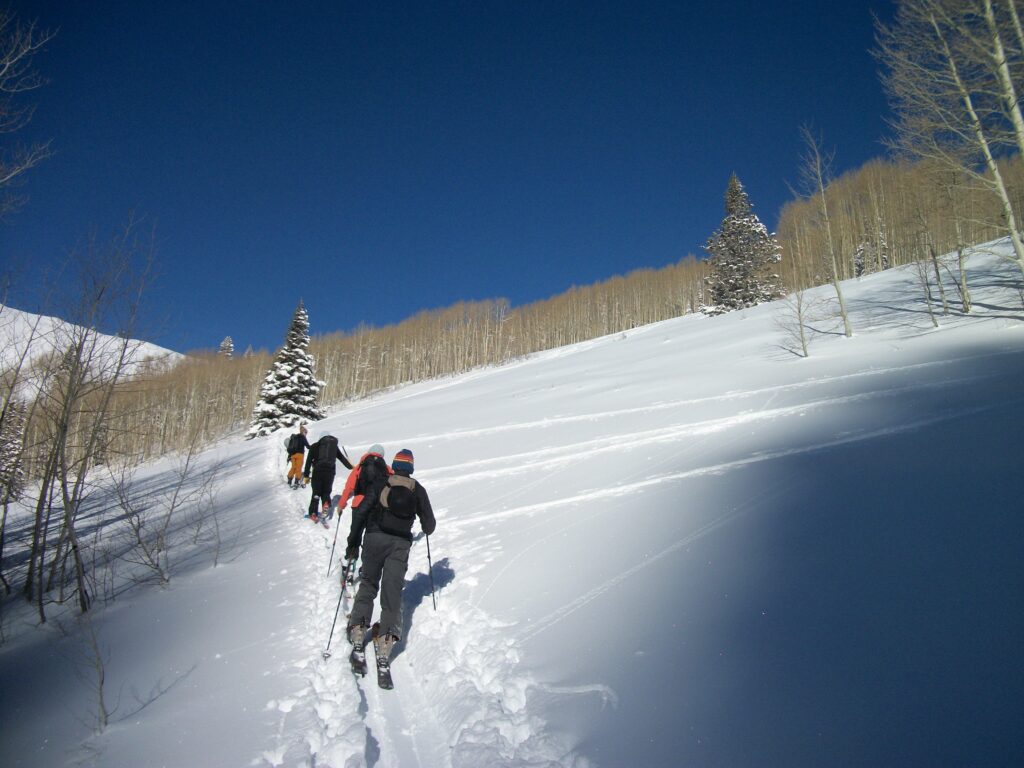
I go to the start line while others are starting all around me. Tensions are rising as players nearly cross paths and false starts occur everywhere. I false start as well, but calmly set up for another try. A false start again. I reset and back up while players continue to start. Conditions are better now as I rise and start. All systems are a go and I push off.
In this game each player starts with a certain number of points depending only on the start line. Our score increases as we trade in the points we have. Our goal is to find areas where we can increase our points for later exchange of an increased score. The better our equipment is, the better a deal we get for trading our points for score. But, careful, it takes years of practice to master such good equipment and their increased risk should not be understated.
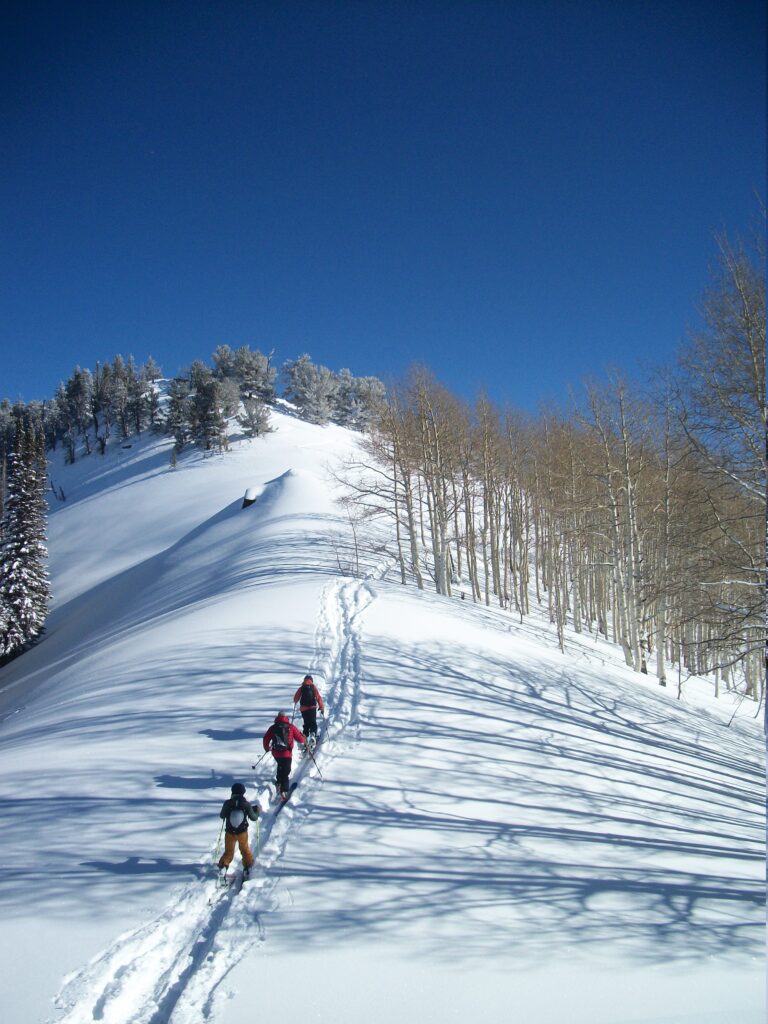
I go to the habitual areas and find a few points. This spot is known for having many areas where we can find points. So much so that we must be especially careful of running into other players in these areas. I keep going knowing that I’ll perhaps find some points elsewhere. I check here and there and find only a few. My points are slowly going down and I don’t have a great score so far. I’ve certainly done better in the past with less effort. But this is the hand that was dealt today and we play nevertheless, only a fool would get mad at the Sun.
The question that should be asked is then: what is a good score? Well logically a high one by the rules of the game, and players will spend their lives searching for the conditions for high scores. Days and weekends are rearranged for the shot at a high score. Some will fly across the world for even a chance. Our lives and days dictated by this hunt, we slowly, unknowingly, place our self-worth in our score only to watch it crumble as our points plummet to zero. Grown men can be seen lashing out in frustration as their plans for a high score fall out of the sky. I’ve been there. It’s a regrettable place to be and one we try to avoid. Strategies are put into place to achieve a high score, we buy expensive risky equipment to stack the odds in our favor, and place ourselves on high-point but risky start lines. Some of us even stay at home to avoid the self-given shame of a low score, they’d rather not play. We compare our scores and points constantly to those around us. Five more points than the player next to us and we feel in control, our self-worth rising with our points.
On days when the Sun gives us an easy course we float on a cloud of arrogance and take it as evidence of our skills rather than the gift of the Sun that it is. More often than not we fall short of the score we desire. As our experience increases we expect higher and higher scores, and on the days when the course is set-up well expectations rise accordingly, it seems disappointment is inevitable. How does one continually score well such that our self-worth stays high?
The answer is we can’t. Though some may look to the mentioned strategies of better equipment and higher point starts, we end up only increasing our risk and frustration. When faced with the question of how to maximize such a uni-axial quantity the answer can only lie in extremes. We are forced to abandon the scoring system altogether.
But, there’s another system, an internal one. It is based on a different reference system. It’s based on ourselves, the Sun and the relationship between them. A high score is no longer uni-axial. Performance is re-defined and changes as the three axes evolve continuously. What was a poor score in the previous system becomes a unique and outstanding performance as we properly place them in this new reference system.
To tabulate our score we must first take into account the given axes. Our first axis being ourselves we must look inward. With respect to this sport, our self is determined by our experience in and with the sport, and our current emotional state. Our experience in the sport dictates that what would be a low score for a more experienced player is actually a high score for ourselves. More than that, as we change every day a “low-score” one day may be a high-score a different day as our capacities fluctuate with life. Our experience with the sport is our past experiences playing, if we feel that we have been unjustly robbed of a good score lately we will play differently. On the other hand if we have been playing well or on easy days then we may fall into complacency and fail to see the day for what it is. On days when our emotional stability and availability run thin a small outing may feel like a grand battle. On these days these previously low-scores are now scored higher as we take into account our self.
Our second axis the Sun, is more commonly taken into account by players. The ultimate potential of a day only determined by the course set by the Sun. The highest score, as well as the risk, change each day and our expectations must be set accordingly.
The final axis is the relationship between the self and the Sun. To understand this link we must first have an understanding of the two components. Just as much as we need to be able to estimate the outward potential of a day, our understanding of our internal potential must be studied and understood with the same critical regard. As players of this dangerous game we should dedicate just as much time and energy to the understanding of ourselves as we do to the conditions. Once the two components have been analyzed we can then examine their link. We should take immediate note of any mismatch between the two. Internal expectations should match the ultimate potential of the day, any imbalance will surely lead to frustration. On days when our internal potential is low we must not let the external potential drive our expectations and decisions. Failure to see this imbalance can lead similarly to frustration and poor decisions, and ultimately to a dangerous game. Our goals for the day must be defined with respect to these three axes.
The re-basing of the score transforms any idea of competition. The axes of the other players unknown to the other we are forced to abandon any hope of comparison. Our own score is now impossible to quantify. As we tell others of our day we must re-frame the story with ourselves and the Sun at the center. Success shifts from numbers to a qualitative lived experience. There are no more winners and losers as we couldn’t hope to compare experiences.
As with many newer sports of today, the shift from niche to mainstream is often accompanied by modern day values being used as the bases of judgement. Performance being the commonly used value in sports, we search for easy comprehension of good and bad through the use of metrics. These scores provide obvious goals, and we are brought up to chase these quantitative goals. But, we have seen that the monotheistic chasing of maximization leads us only to frustration and risk. We must recenter ourselves on the goal of a Quality experience.