We’re lucky, it has snowed recently. This is fortuitous for many reasons. First of all we are going to have some good skiing. Second, I am taking an avalanche class, and the new snow should make for interesting conditions to learn in. I have kept up to date with avalanche classes in France but I am curious about the differences in the US. I haven’t taken a class here since 2016 when I took the level 1.
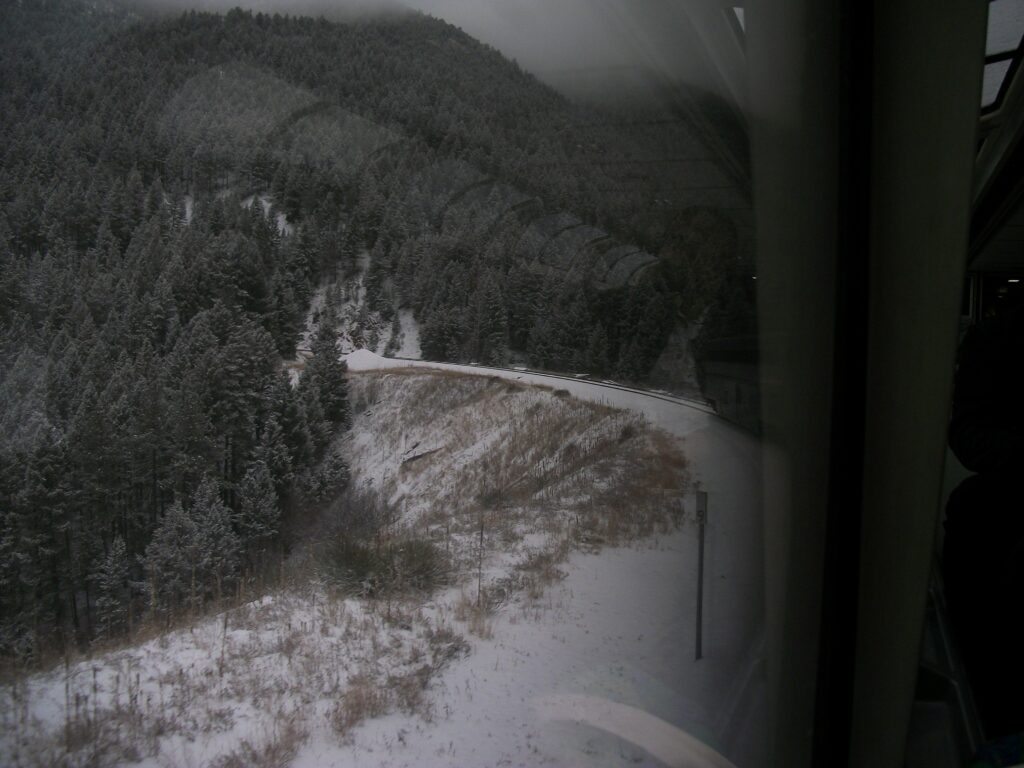
I arrived rather late by train the night before, the morning of really, at two in the morning. At 7:30 we meet the instructors and the rest of the team in the Alta lodge. It’s a proper continental cold. We spend the morning going over the current conditions, and are split into two teams. A team of young guns and our more heterogeneous mix of thirties and post-college.
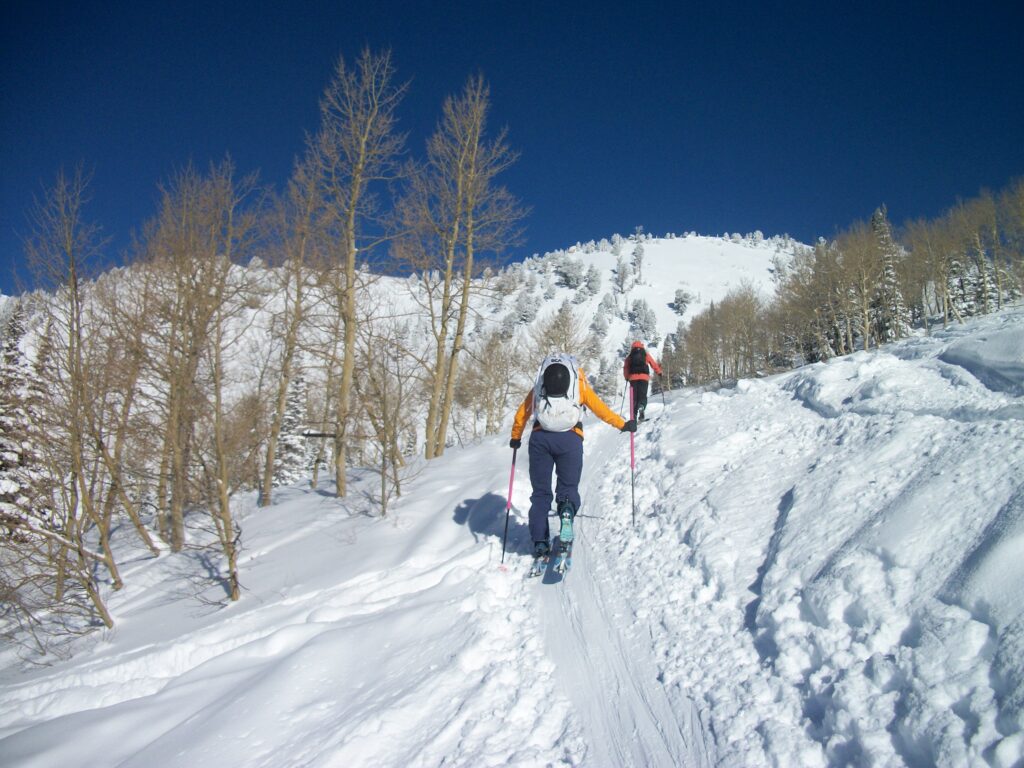
Our fabulous leader Jess lets us take turns leading up the skin track. Each choice of direction analyzed with the group and the terrain around us is pointed out. She is empathetic and leads the group naturally from behind. She is careful to let each person speak and builds the confidence of each person. She knows a lot and it shows in her careful choice of words. Such is her (merited) confidence as a leader that she leaves the routing choice to us.
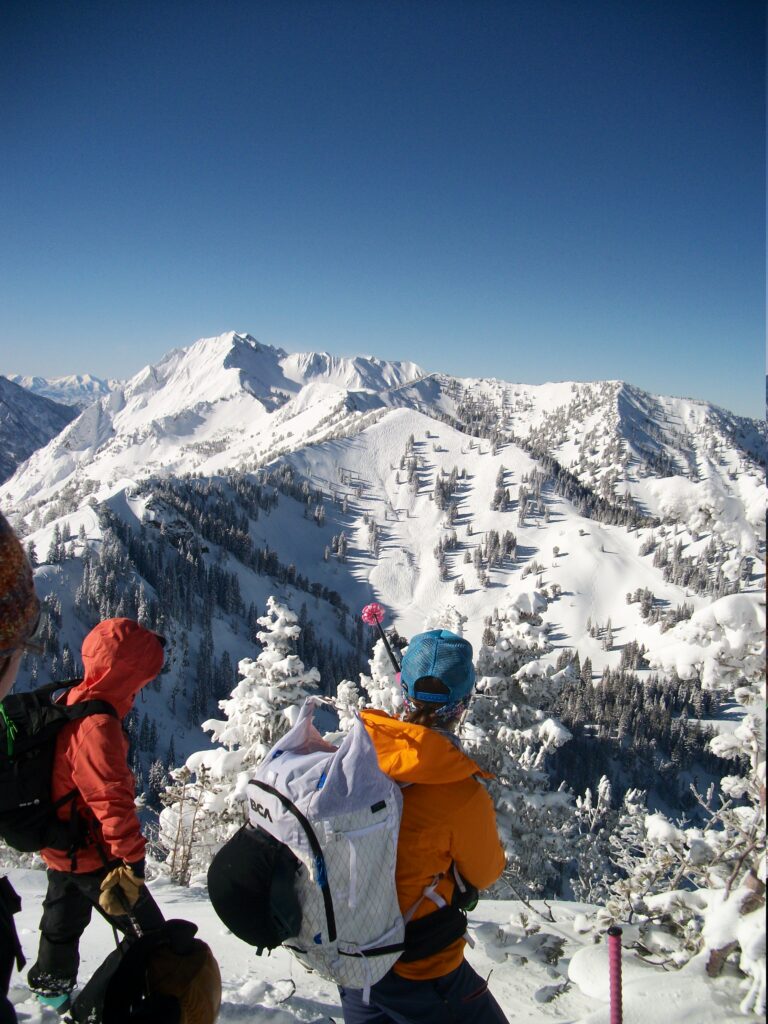
She doesn’t hide anything from us. This is a dangerous sport. She understands that the danger is not the risk of the unknown, but in our choice to put ourselves there. These three days are about understanding and estimating the risk of where we are. It’s about how we can read the snow and the mountain to estimate the risk. But, in the end it is our decisions that put us there. Jess shows us where her friend and colleague died the previous year. It was closed terrain, he wasn’t supposed to go there. But, he did.
Just as More important than our ability to analyze snow flakes is the state of and the relation between each person in the group. Why are professionals taken by avalanches? How is it that even the most prudent among us have accidents?
On a beau prendre tout les meilleures décisions tout les jours mais il faut qu’une erreur pour avoir des consequences, et la montagne ne se souvient pas de notre sagesse d’hier.
It seems that every day in the mountains we must remember that the accident could happen today. Ski touring is a unique practice in that we have very little feedback on our decision making process. Classic examples of persistent weak layers triggering by the nth skier, show that often we can convince ourselves of our good decisions when the truth is we got lucky. We can spend seasons building confidence on our good decisions when in reality the professor was in a good mood.
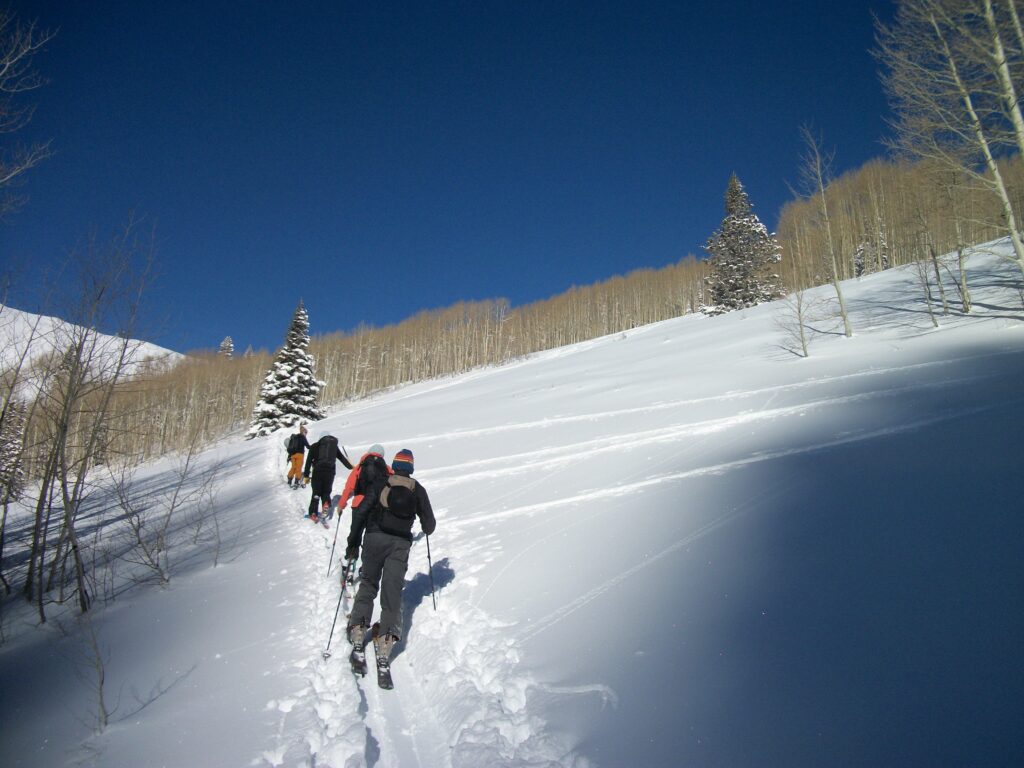
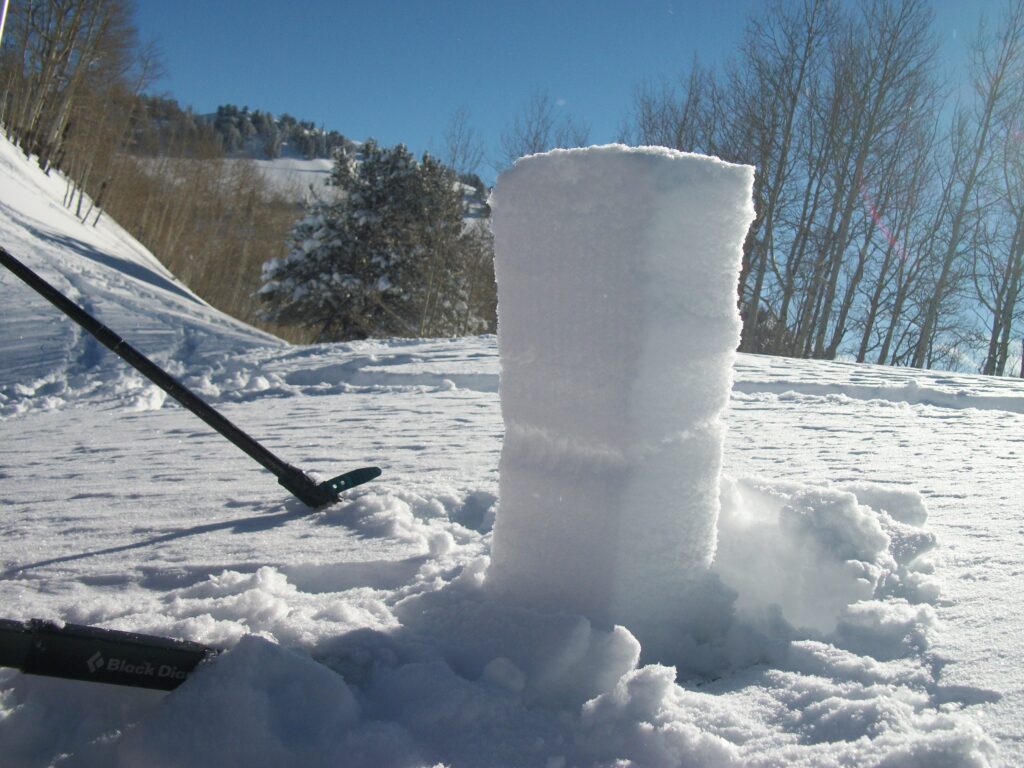
The next day we switch instructors. Don brings us to Beartrap and we have a chilly skin up the drainage. He has a ton of experience and really shows us the nuances of avalanche terrain. We dig a pit in a spot I would have not set foot, but he gives us confidence. He carefully points out a layer of buried surface hoar.
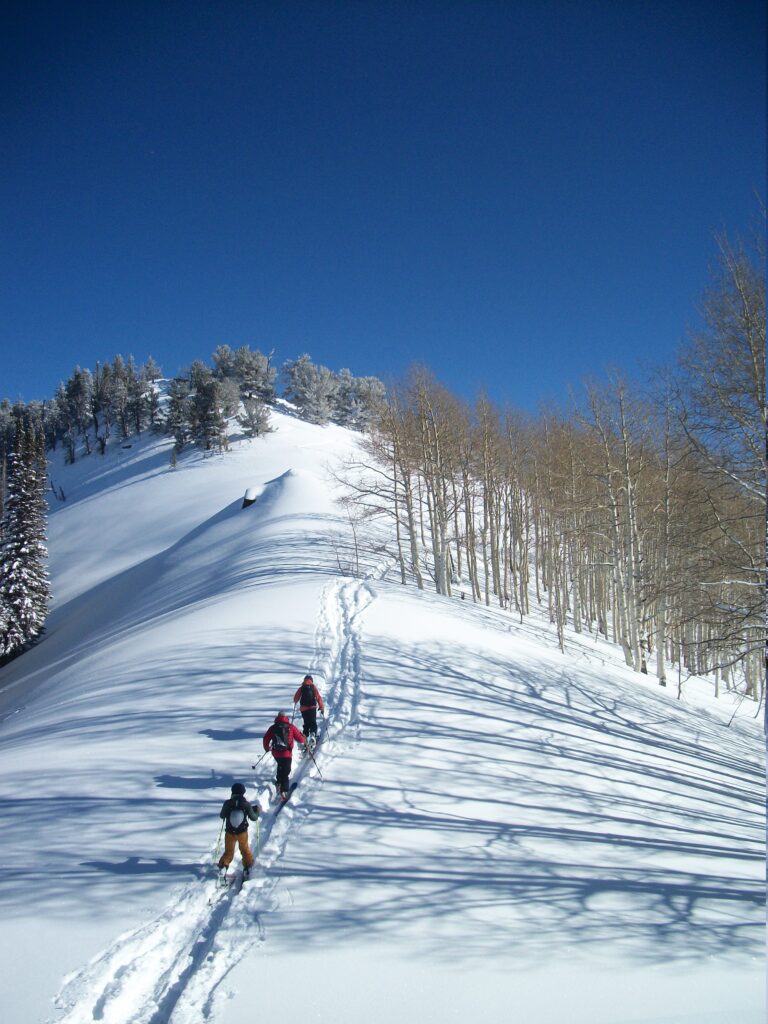
We chat our way around the mountain. One of the other students also went to Montana State for her undergrad and spent some years in France. We have a great conversation and I discover her French is near perfect, a rencontre hors de norme.
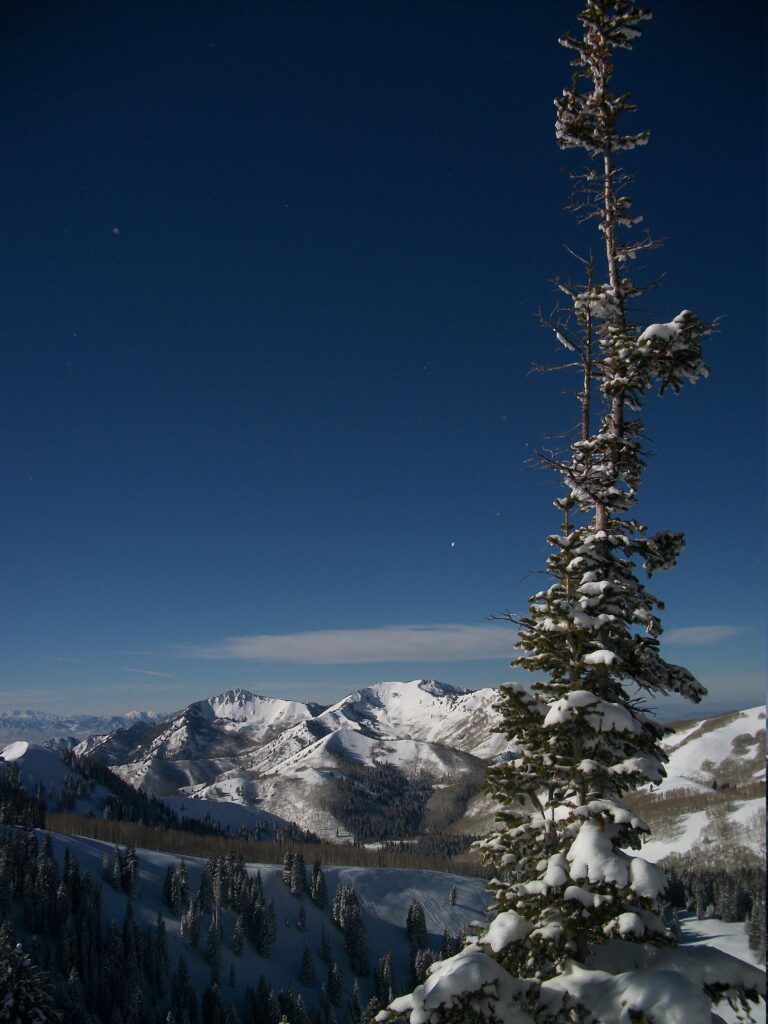
On the way down we are treated to some great Utah tree skiing and a spicy bobsled track in the forest. Classic Rockies skiing.
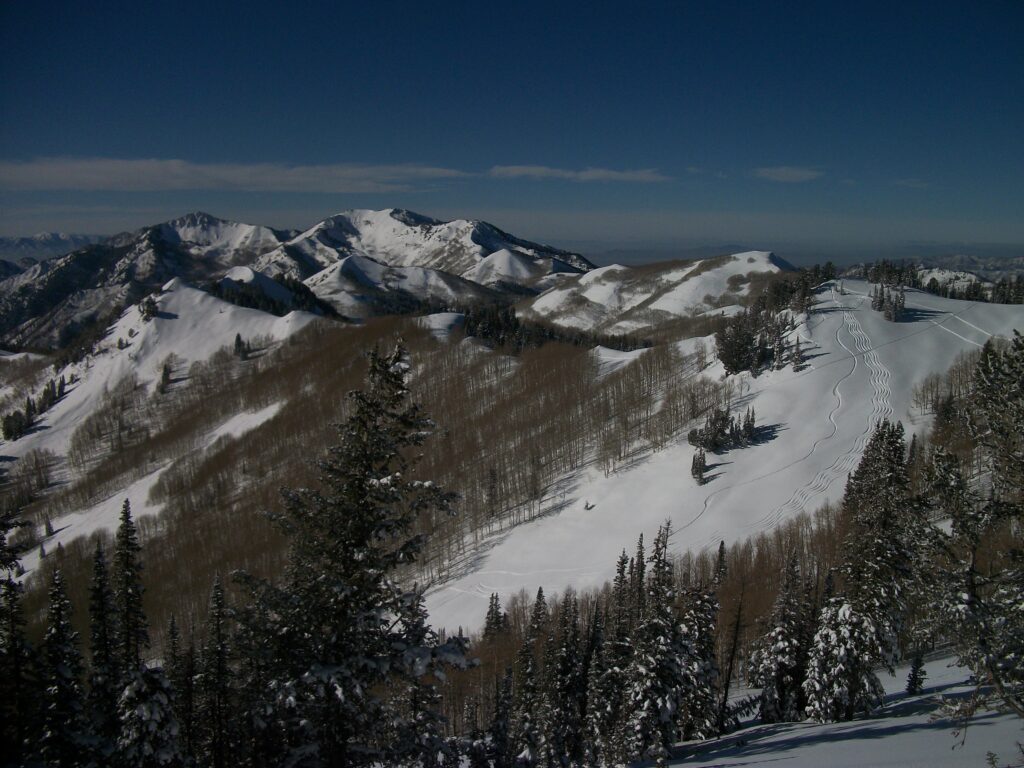
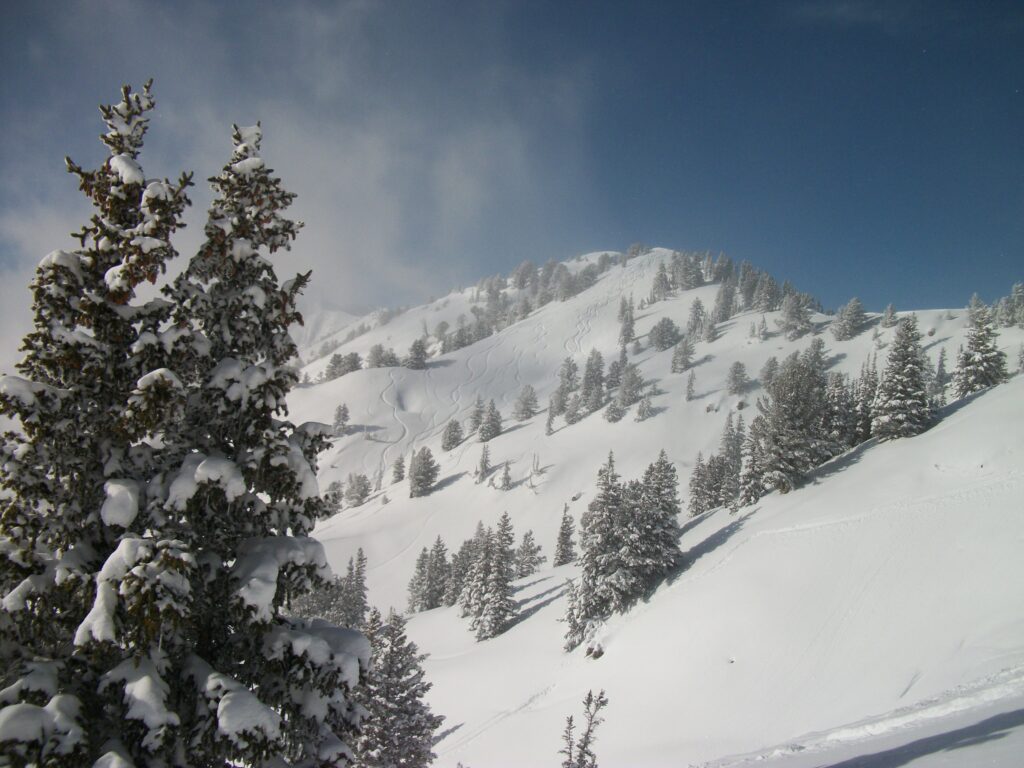
On the third day our group is back with Jess and we navigate slowly up the White Pine drainage. We all know each other much better so the conversations flow endlessly and our skis glide slowly. It’s now been a few days since the last snowfall but the sheltered East side trees cache cold snow. We start to poke our way up into steeper terrain.
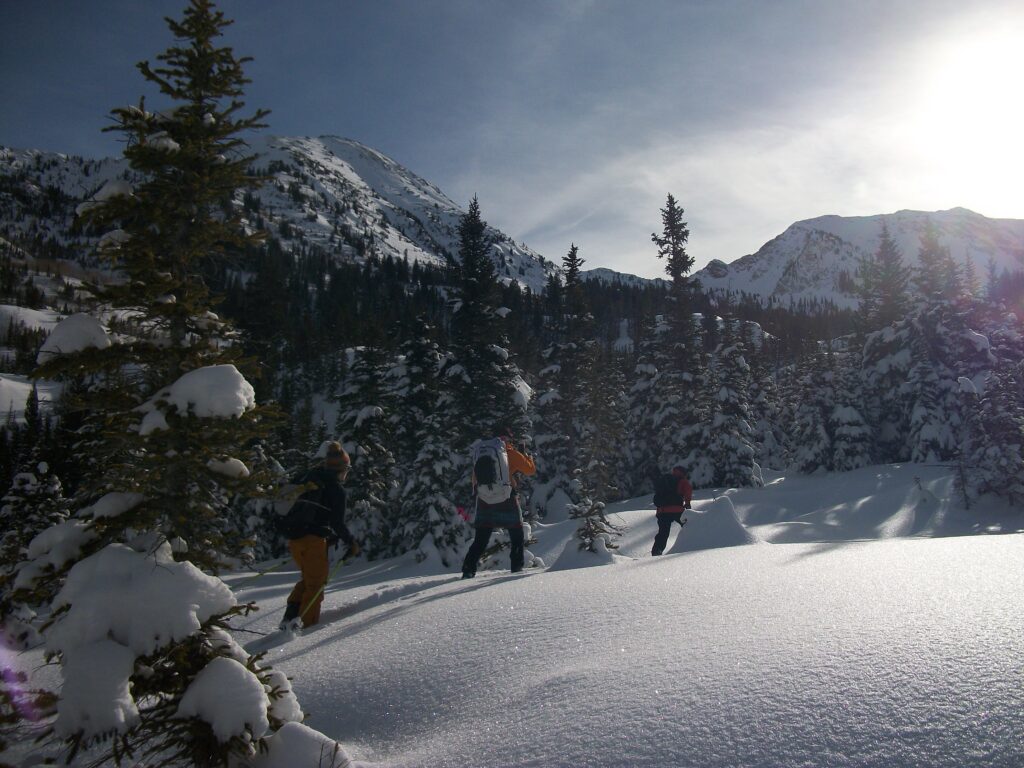
The terrain is rolling with steeper sections. It’s perfect practice navigating in avalanche terrain. Jess graciously lets us take turns doing so, and gives us great feedback. The whole weekend was invaluable for being able to pick the minds of each of the guides. They remind us of the seriousness of the game we are playing, but encourage us to continue playing carefully.